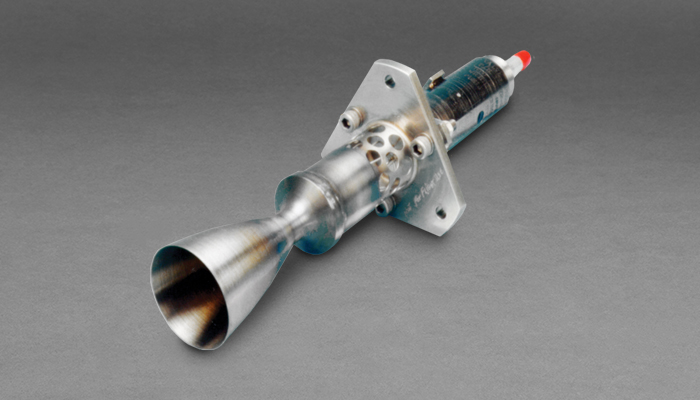
When we see massive rockets overcoming the gravitational power of earth, one might not care enough for an ant-sized hole which can’t be even visible to our naked eye. And why one should not, I mean, you can, but for things on earth!
Sure, an ant can’t lift an elephant-sized rocket, but an ant-sized hole can!
But what is this wordplay between ant, elephant, and rocket? Taking the example of the satellite thruster I am working on, let’s try to learn rocket science in a “Not Rocket Science” way.
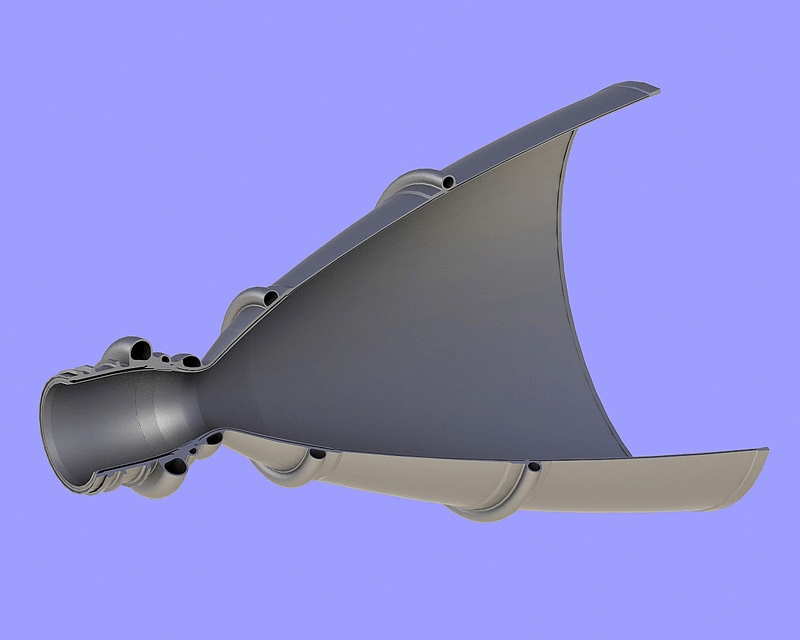
Okay, but what is a thruster?
“Thruster” is any device which is able to generate a push. Now that “push” can be anything from you pushing a grocery cart in DMart on a busy weekend, to SpaceX launching a rocket weighing millions of kilograms in the space, the concept remains same.
“You get pushed every time you push”
and these show-off people call it Newton’s Third Law of Motion.
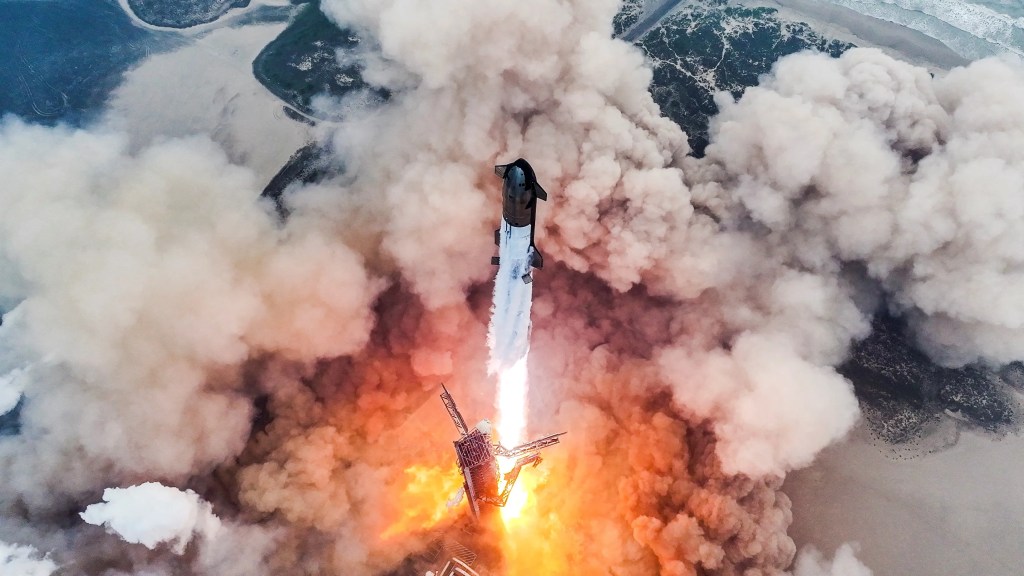
The only difference is the way thrust is generated, in case of DMart, you act as the thruster for the shopping cart. The hot burning gases gushing out from the bottom provides the thrust in case of SpaceX’s Starship Rocket, the heaviest rocket to launch as of 25th July 2024. 1
Types of Thrusters.
A variety of thrusters exist based on the source of the energy. If your thruster is designed to use the chemical energy stored in the fuel, it is called chemical thruster and if it uses electric discharge, it is called an electric thruster.2
If you saw a vigorously shaken coke bottle with mentos inside flying off, that is rocket science in action. Just that in case of satellite rockets you need to be able to control its speed and direction precisely, when it is hundreds, if not millions, of kilometer away from you, and mind it, you can’t see it, and you need to keep doing all of these flawlessly for tens of years, and this is what makes it Rocket Science!
I am particularly working on a thruster which is going to take care of the satellite revolving around the earth for tens of years to come, and they are called satellite thruster.
But I don’t know Rocket Design.
A month back, even I didn’t. In the next two minutes I will explain what I have learned over these past four weeks!
To push anything away from the earth, we need to push “something” towards earth. Whatever we throw, if it is heavy, has high speed, and we throw it enough, it is easier for us to generate higher thrust than our weight. The exact moment when this happens, we called it “Lift-Off”.
Burning stuffs makes the gas around it hot. Hotter the gas becomes, faster it travels. Now we have that “something” which we can throw at earth with higher speed, the trick being, burn it! And how can we start burning inside a rocket? We precisely require four elements for the same, a fuel (which stores energy), an oxidizer (which help in extracting energy from the fuel), and an ignition source (which starts the burning) (and forth?)
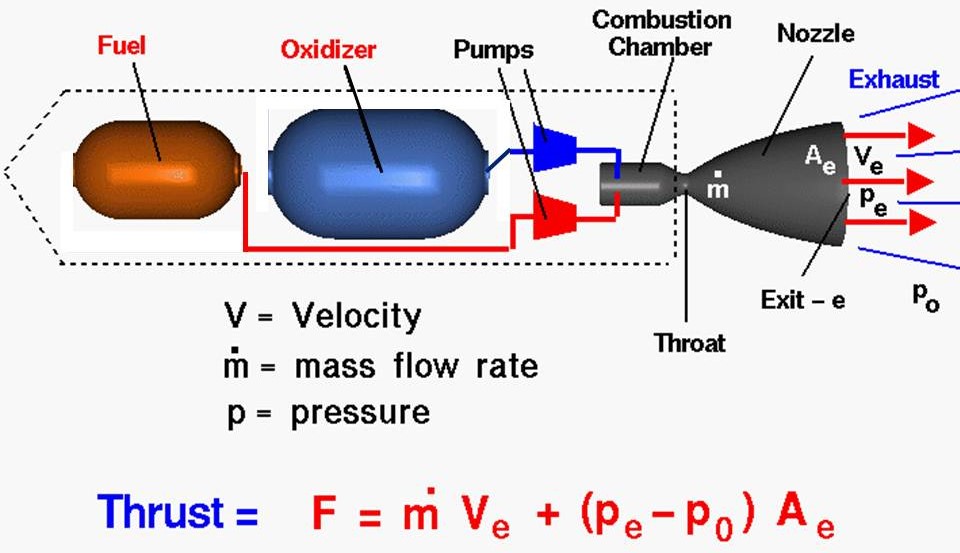
This is not very different from the LPG at home, the energy is stored inside the LPG cylinder in the form of butane (a fuel), which mixes with air (an oxidizer), and to start burning we use lighter (an ignition source)
To make sure that appropriate amount of fuel and oxidizer are mixing to burn, the rate at which both of them mixes with each other plays a crucial role in the determining the Temperature after burning. If the mixing is not done properly, the gas temperature will be low and so will be the speed of the gases to be thrown at the earth. The rate of used fuel and oxidizer is called, mass flow rate of fuel and oxidizer respectively.
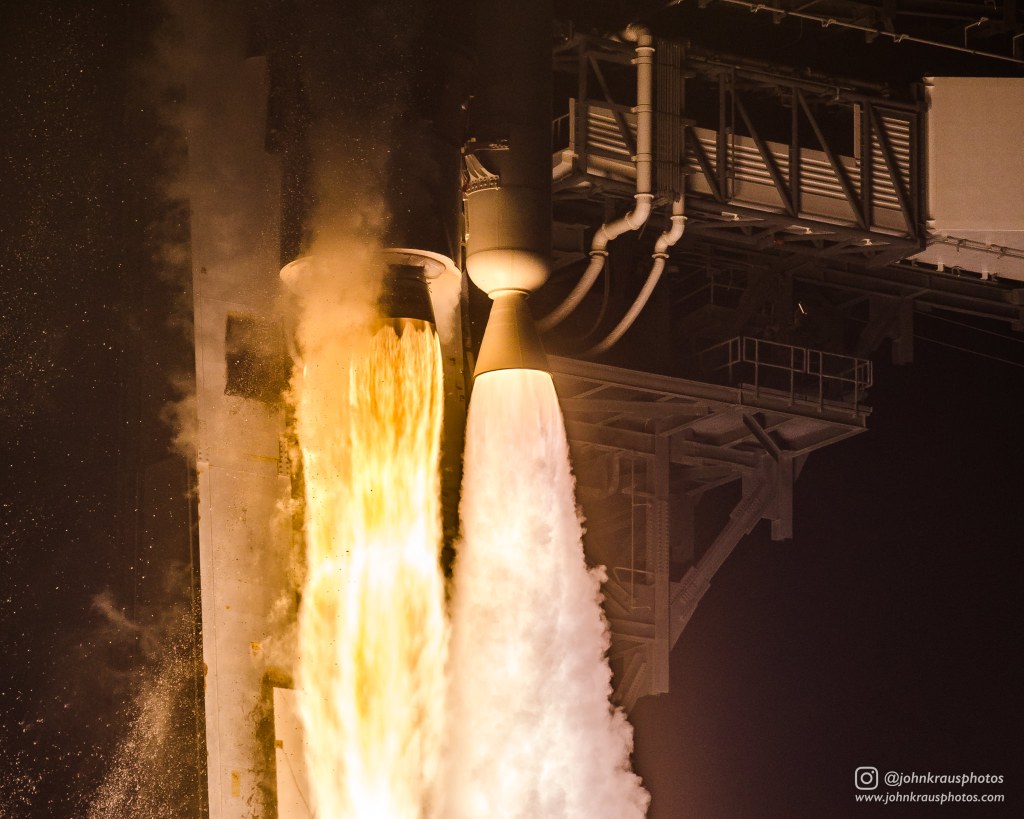
Simply put, mass flow rate of fuel and oxidizer determines the temperature of the combusted gas in the thruster, leading to a rise in pressure inside the combustion chamber, which determines the speed of the exhaust gas, and is crucial for the overcoming the weight of rocket and fly away from earth.
And what about ant, elephant, and the rocket?
So far, we have built a basic understanding of the elements in rocket design. To answer “the” question, we need to dive a little deep with this fresh knowledge. And that is the topic for next article.
References.
- Walrath-Holdridge, M. and Lagatta, E., 2024. ‘Splashdown confirmed!’ SpaceX Starship successful in fourth test launch. USA TODAY, 6 June. [Accessed 25 July 2024]. ↩︎
- Sutton, G.P. and Biblarz, O., 2017. Rocket Propulsion Elements. 9th ed. Hoboken: John Wiley & Sons, Chapter 1 ↩︎
TL;DR.
Generated using AI.
- Types of Thrusters:
- Chemical Thrusters: Use chemical energy from fuel.
- Electric Thrusters: Use electric discharge.
- Rocket Science Analogy: Similar to a shaken coke bottle with mentos but requires precise control and can operate over long distances.
- Rocket Design Basics:
- Fuel: Stores energy.
- Oxidizer: Helps extract energy from fuel.
- Ignition Source: Starts the burning process.
- Mass Flow Rate: Critical for proper fuel and oxidizer mixing, affecting combustion temperature and thrust.






 Not Rocket Science!
Leave a comment