Welcome Passengers! It’s my pleasure to have you here today on this flight. This flight is tailor-made to satisfy your curiosity about various aspects of take-off. Please listen carefully as, I, NRS’s star air hostess introduces you to take-off.
Great preparations are made to guarantee our guests’ comfort and safety even before we consider take-off. Here is a glimpse behind the scenes. Our crew performs thorough safety checks on all emergency equipment, ensuring everything is in perfect working order. This include looking over medical equipment, fire extinguishers, life vests, etc. We check the cabin to be sure aisles, overhead bins, and all the seats are free of obstacles.
We demonstrate the various safety features, including how to fasten your seatbelt, utilize the oxygen masks, and find the emergency exits aboard the airplane. This briefing is crucial for your safety, so please pay close attention, especially since I practiced a lot to memorize it. The captain and first officer communicate with air traffic control to receive clearance for take-off.
“Captain! Is everything clear?”
“Ay, miss Star. Everything has been cleared. Flight is ready for take-off.”
That was the signal I needed from the captain.
Now, since we’re ready for take-off, here’s what you can expect. The aircraft will taxi to the designated runway. Taxi speed is limited, with further reduction before turns to prevent tire skids. During this time, we ask that you remain seated with your seatbelt securely fastened. As we travel the taxiway, you can experience a few bumps. I apologize in advance, but I trust that our captain will make it as seamless as possible. We do one last check to make sure everyone is seated and everything is locked just before take-off. We also ensure the cabin lights are set at the right level. Once we reach the runway, the captain will throttle up the engines. You’ll feel a powerful surge as the aircraft accelerates. This is normal, so sit back and enjoy the ride.
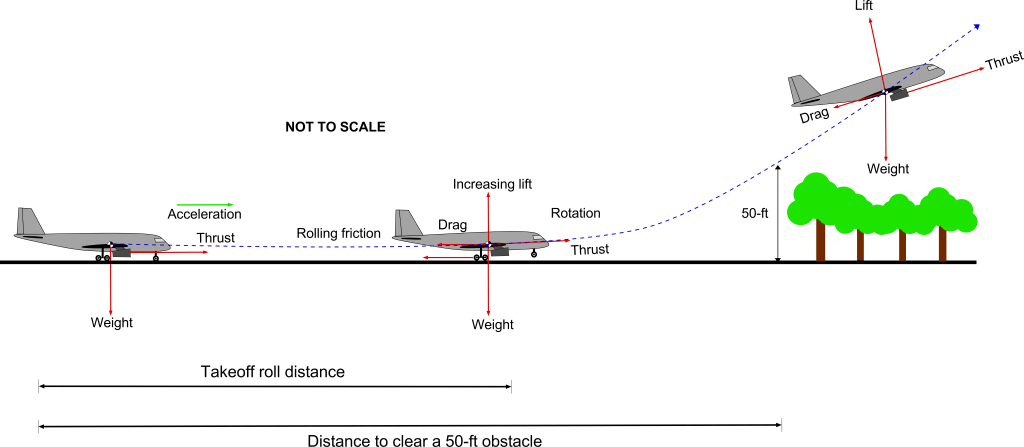
As we gain speed, the aircraft will lift off the ground. This is called take-off, the transition from ground movement to flight, typically occurring on a runway at full engine power. Fun fact, aircrafts always take off against the wind to reduce the ground speed needed for lift-off. You might feel a slight tilt as we ascend, but rest assured, this is all part of the process.
There are a few jargons that, we, the people of the air use during times like these. The liftoff (or unstick) point is the point along the runway where the airplane achieves sufficient airspeed to generate lift and leave the ground. Steering the action that is done via the nose wheel, transitioning to rudder control as speed increases. As the airplane gains speed, the pilot increases the pitch attitude by pulling back on the control, which increases lift. The aircraft then transitions into flight. Pitch is essentially the nose-up or nose-down movement. The ground roll distance is the length of the runway the airplane covers before achieving a safe airspeed to fly and liftoff.
After liftoff, the airplane climbs at a moderate rate to gain speed until it reaches the optimal climbing rate, known as the best rate of climb. The take-off distance, itself, is affected by several factors like aircraft’s weight, air density, wing area, winds, etc.
We will climb steadily to our cruising altitude. During this time: The seatbelt sign will remain on until we reach cruising altitude and the captain deems it safe to move about. Please stay seated with your seatbelt fastened until then. Once it’s safe, we’ll begin our in-flight service. The staff will make your flight enjoyable with meals, snacks and beverages. Occasionally, we might encounter turbulence. If this happens, the seatbelt sign will be turned on, and we’ll ask you to return to your seat and fasten your seatbelt. Your safety is our priority.
Takeoff is one of the most thrilling parts of any flight, and as an air hostess, my goal is to ensure it’s as smooth and comfortable as possible. By following our instructions and paying attention to safety briefings, you help us create a safe environment for everyone on board.
Thank you for flying with us. Sit back, relax, and enjoy your flight! If you have any questions or need assistance, don’t hesitate to ask any member of our crew in the comments. We’re here to help and make your journey memorable.
Safe travels!









 Not Rocket Science!
Leave a comment