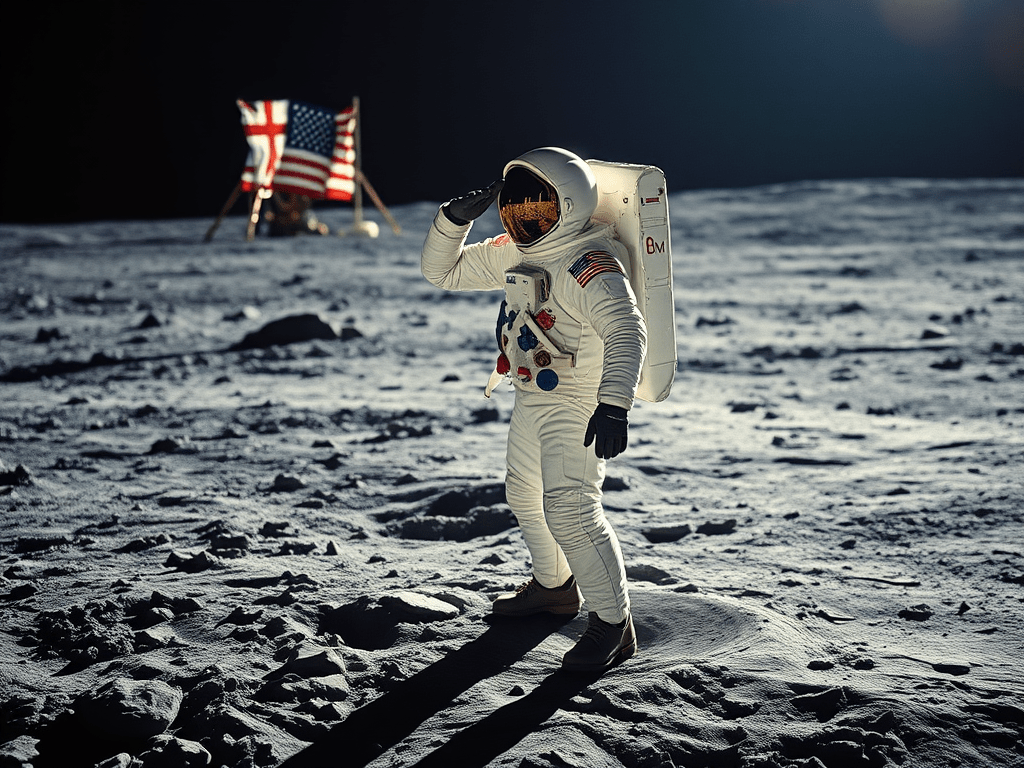
Humanity’s greatest endeavor—the Apollo 11 mission—has been under scrutiny for decades since 1969. Most of these theories originate in the geopolitical mayhem of the Space Race, of which Apollo 11 was also a part. The mission has been under a shadow of doubt and has been labeled a “hoax” by several. Let’s dive into the reasons why the mission might be fake or a reality.
#1: The waving flag. The American flag appears to be waving due to wind. Since the moon has no atmosphere, and thus no wind, skeptics argue, how could the flag flutter? The flag’s motion was caused by the astronauts twisting the pole to plant it firmly into the lunar soil. It was designed with a horizontal rod to keep it extended and create a sort of ripple effect. Plus, the flag was already wrinkled due to the journey it had to endure to arrive at the moon.
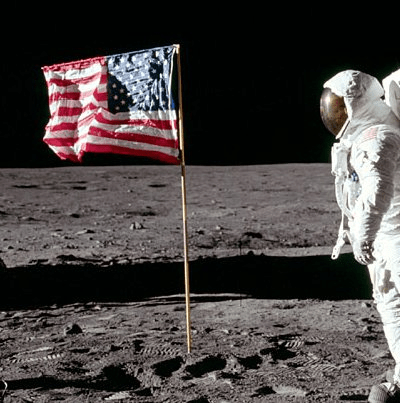
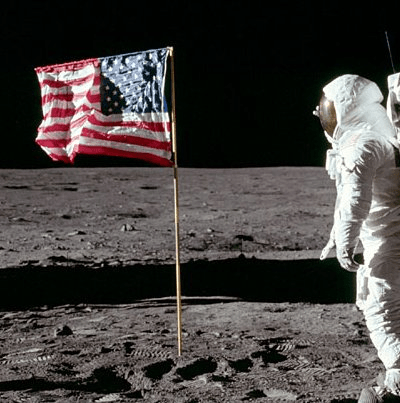
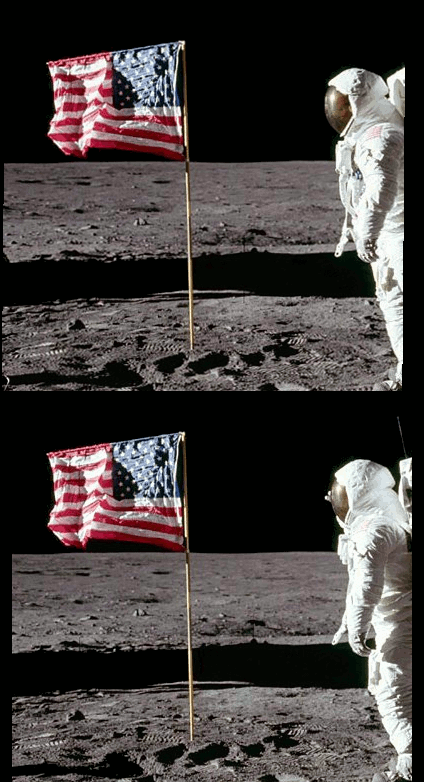
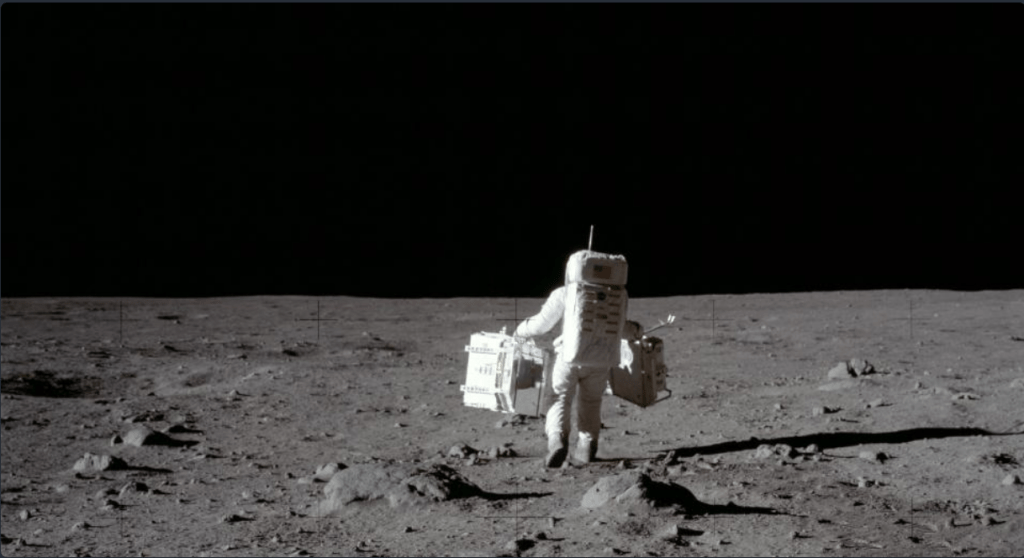
#2: No stars in the sky. Pictures that had been provided, looked devoid of any stars. It appeared to be staged. This effect was created due to the camera settings. They were calibrated for the brightly lit lunar surface, making the relatively faint stars disappear.
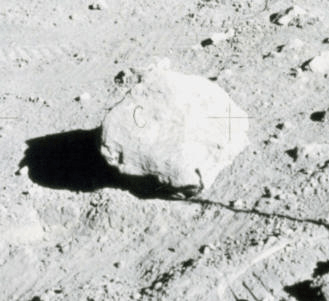
#3: The “C” rock. One famous picture depicts a rock with a “C” mark etched on its surface. Hence, many concluded that the rock was a prop. But when looked into further, the anomaly most likely occurred due to a stray hair or fiber. The higher-resolution scans of the original image don’t appear to have any “C” etching at all.
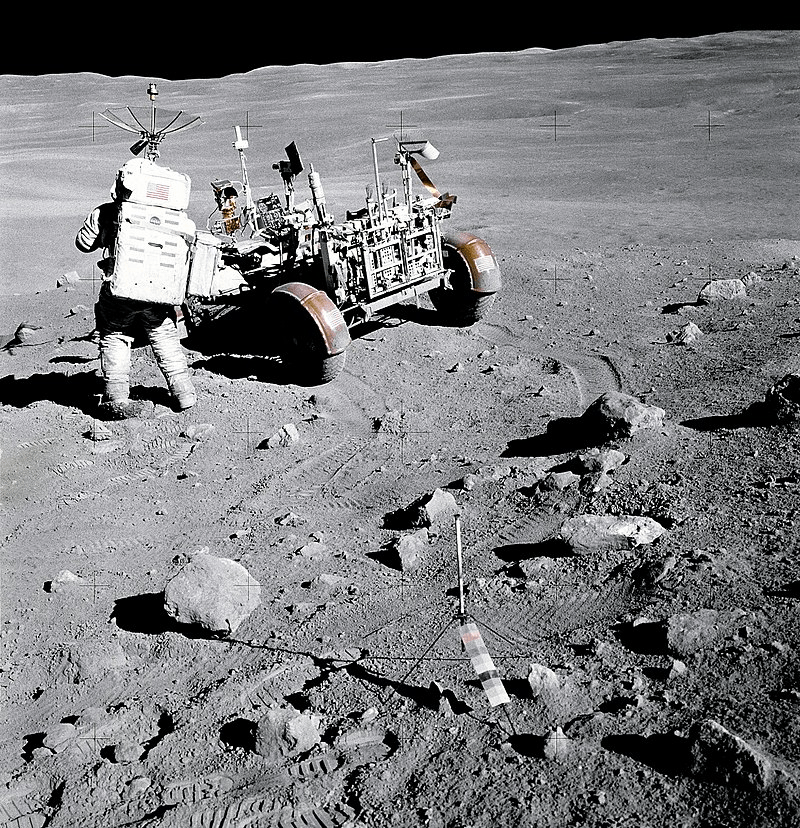
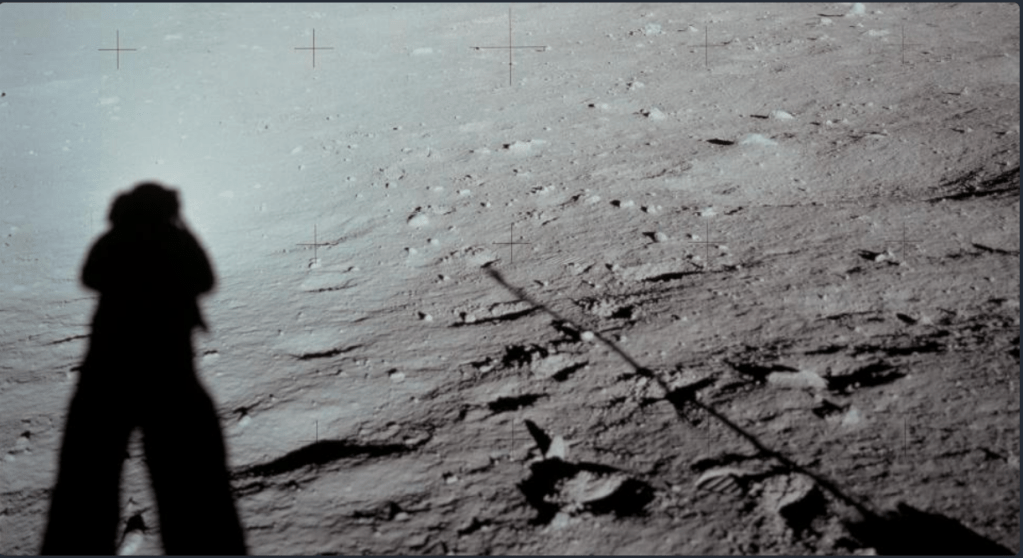
#4: Shadow inconsistency. Shadows appear to be inconsistent in pictures, showcasing that maybe multiple light sources were at play, similar to a movie set. The uneven shadows were a result of the uneven lunar terrain, and one can replicate the same effect even on Earth.
#5: Stanley Kubrick directed it. This theory stems due Kubrick’s fantastic execution of the moon landing scene in “2001: A Space Odyssey”. There has been no evidence, so far, that proves this to be a credible fact.
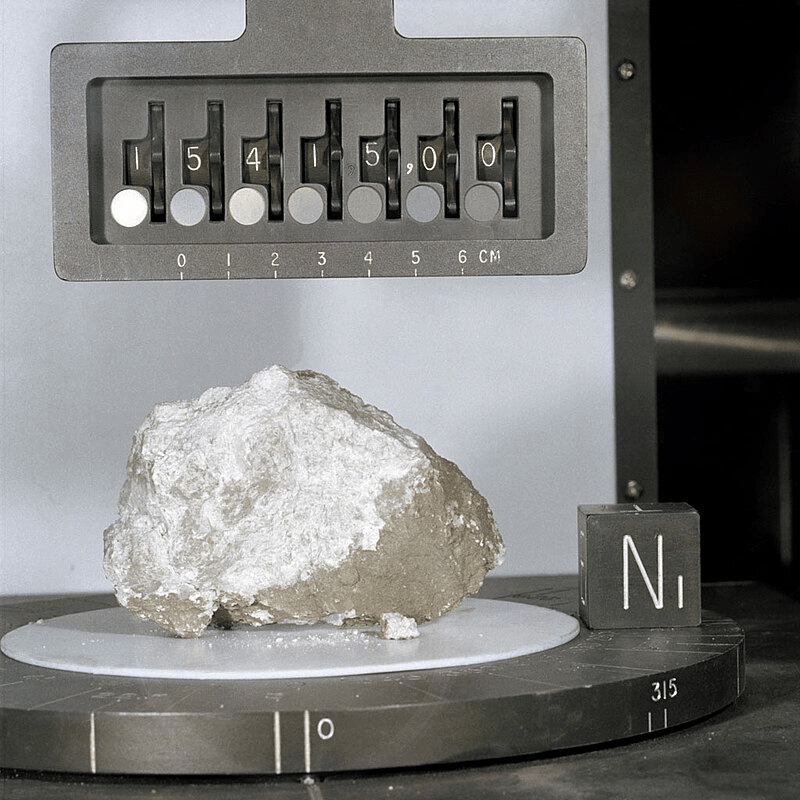
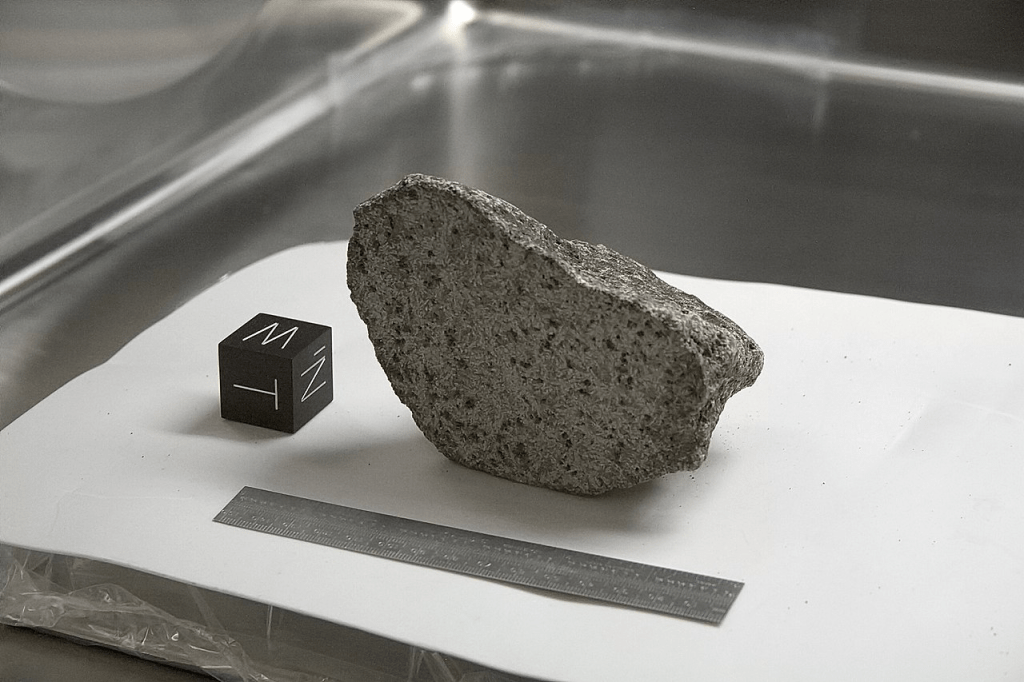
#6: Moon rocks. Apollo missions brought back 382 kilograms of lunar rocks, soil, and core samples. These have been studied by scientists worldwide, and have proven to contain isotopic compositions that are unique to the moon.
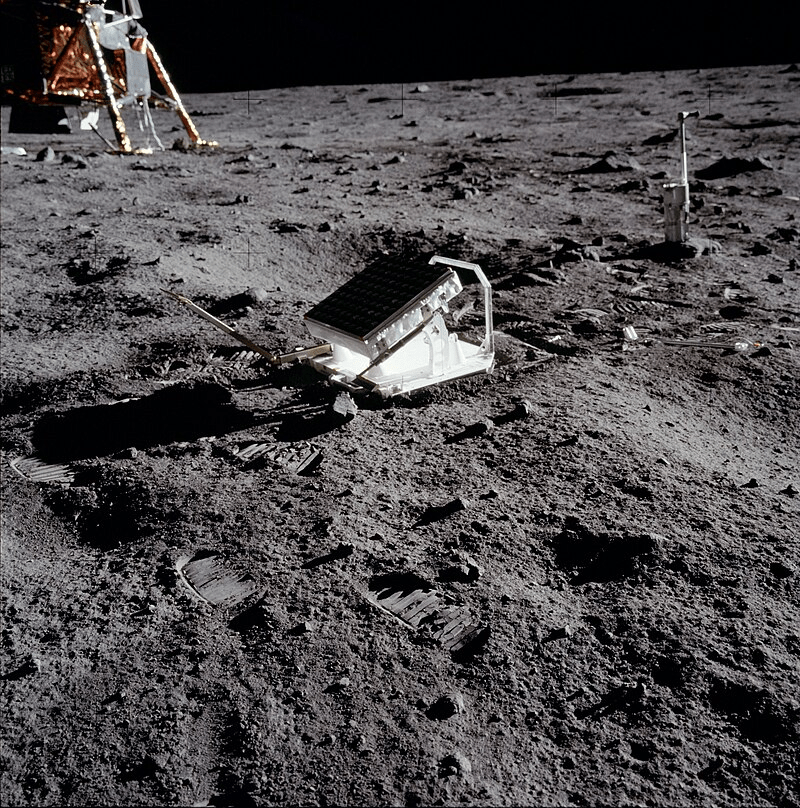
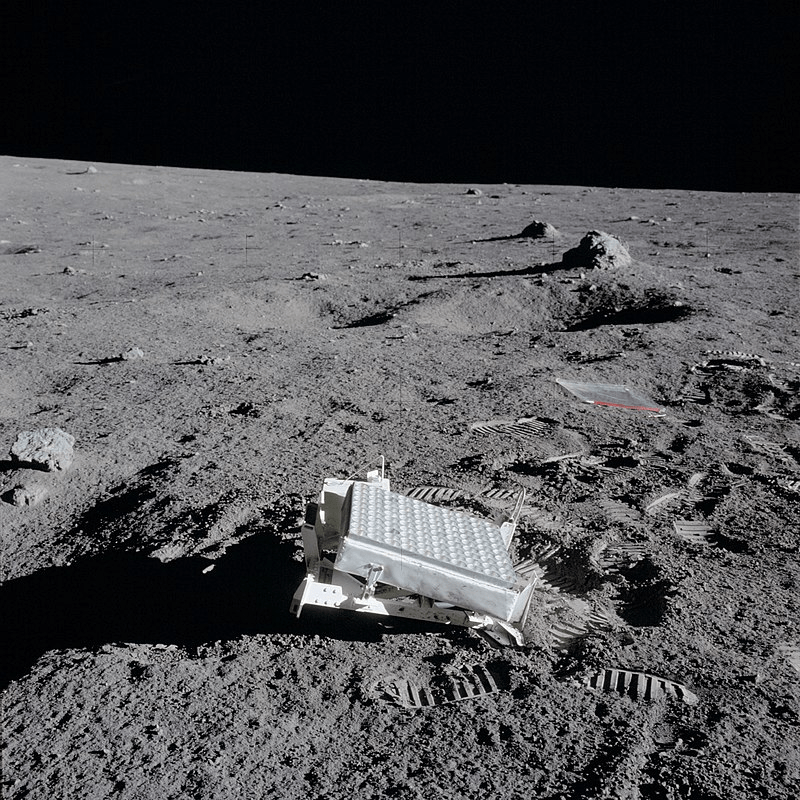
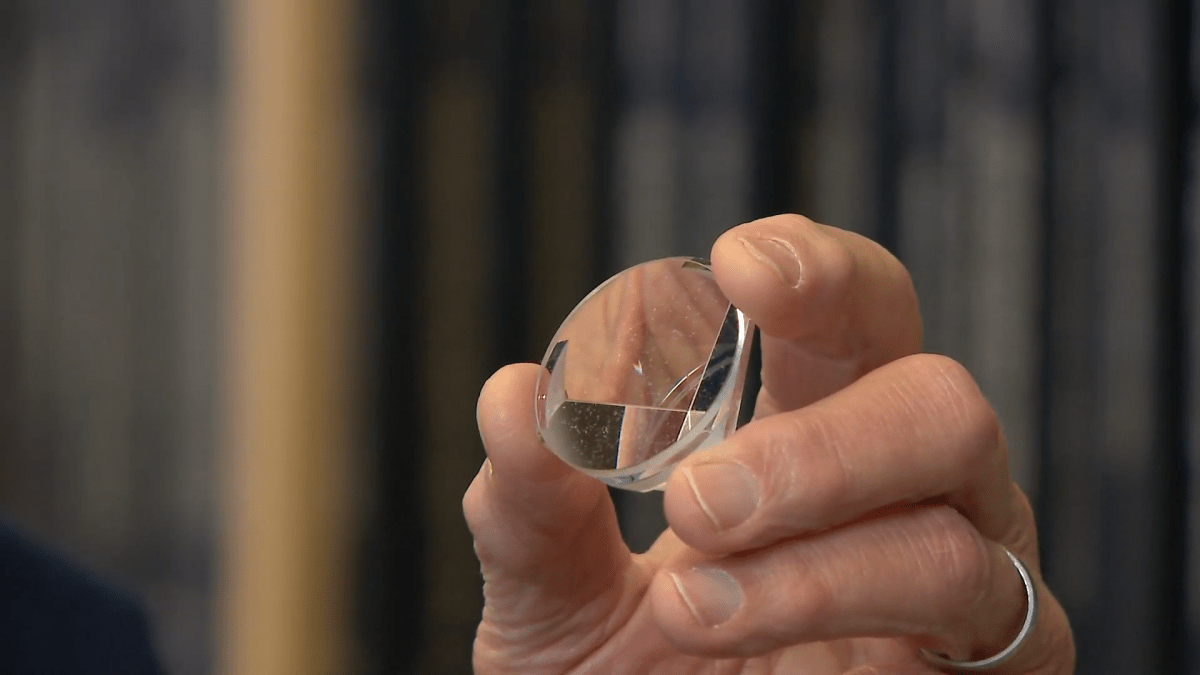
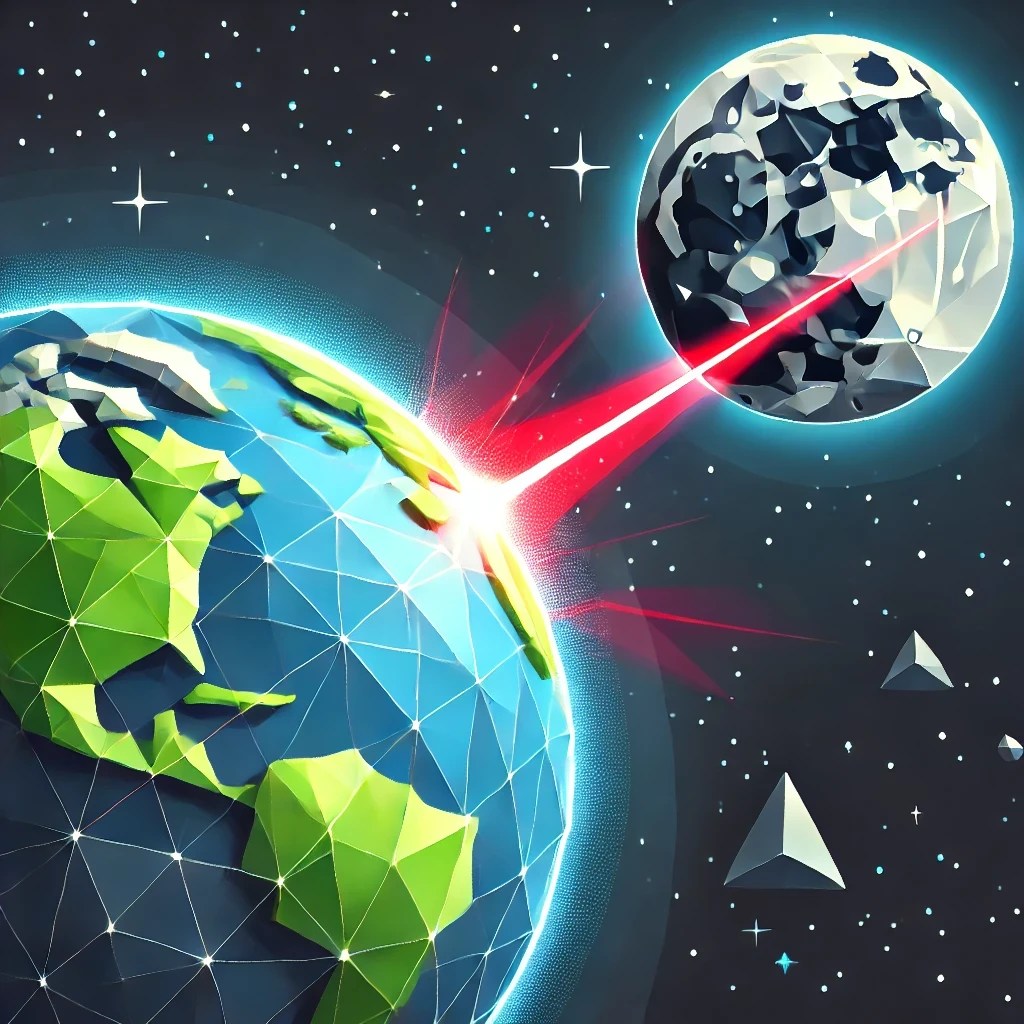
#7: The Retroreflectors. Apollo 11 astronauts had placed retroreflectors on the lunar surface. They can reflect lasers to the Earth’s surface and are still used today to measure the distance between the Earth and the moon. These devices could have only been placed there by humans or maybe extraterrestrial life forms, but there has been no evidence for the latter.
#8: Independent tracking. The Apollo missions were tracked not only by NASA but also by independent organizations and countries.
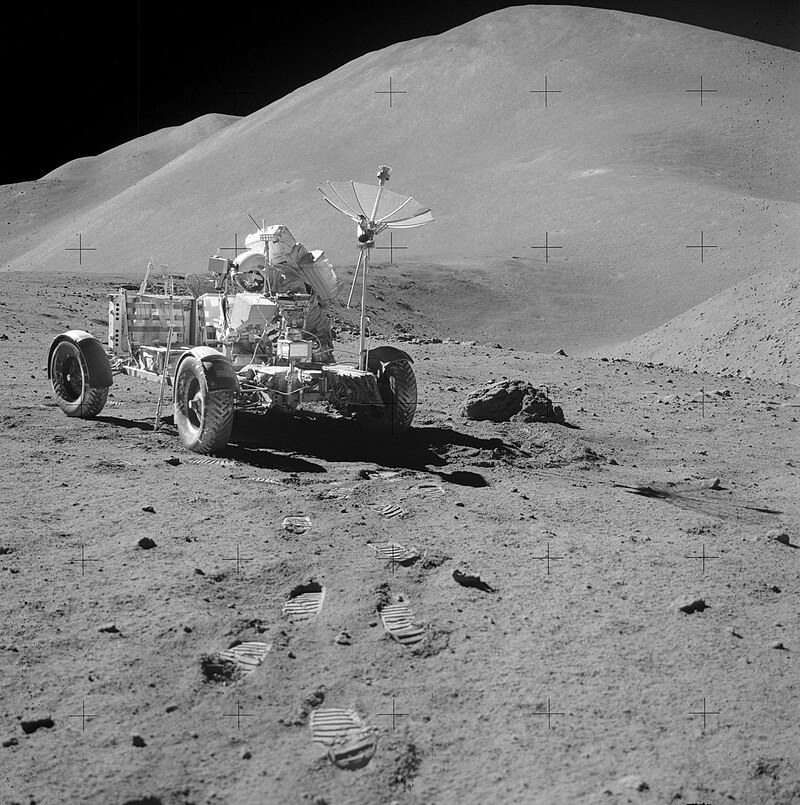
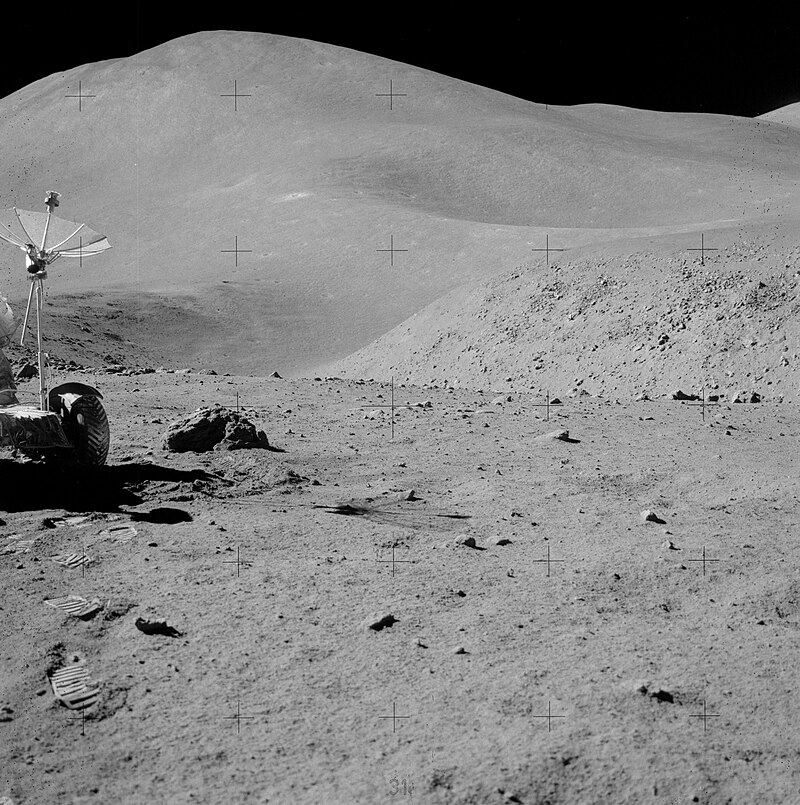
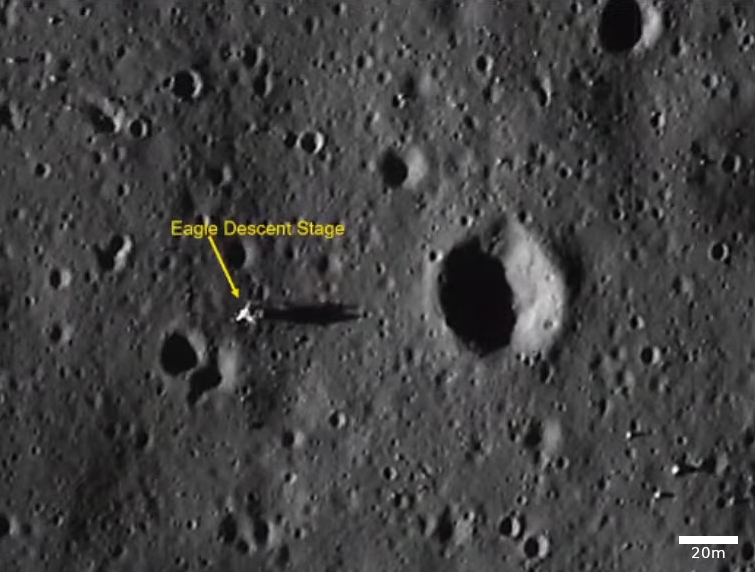
#9: Technology. Some skeptics argue that NASA lacked the technology to go to the Moon in 1969. Ironically, faking a moon landing at the time would have been far more challenging.
One can conclude the reality of the Apollo 11 mission and present their own beliefs. But for now, all the evidence points toward a win for humanity. We can go further to infinity and beyond.










 Not Rocket Science!
Leave a comment