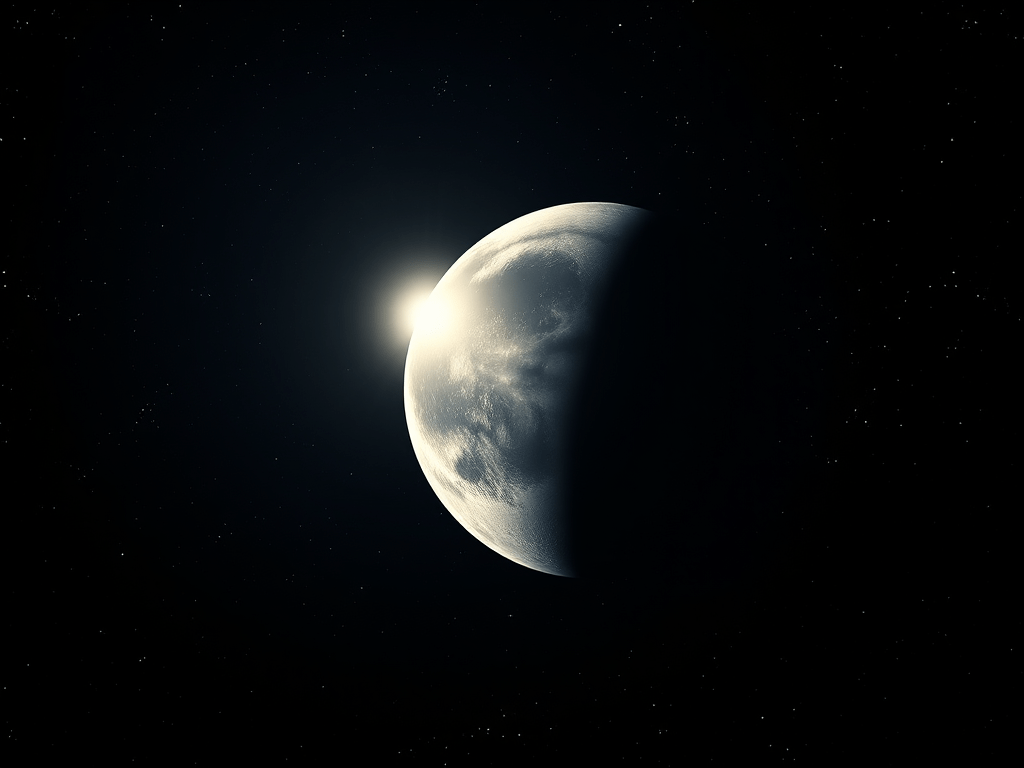
From the last discussion on bouncing lasers off moon, we figured that actually making it happen is not an easy task. But it might not be that hard either! But why? You may ask. That is exactly why we are here.
You see, in order to bounce off the laser, you need to study the motion of the moon itself, which itself might have been very difficult in early days of universe formation, but now things have settled up. To a stage that we can predict the motion of the moon very easily, and do you wish to know the secret for the same? Here it is, the moon always faces the earth from its same side, and why does that happen? Tidal Locking is your answer!
What is it?
Tidal locking is a process that occurs between two co-orbiting celestial bodies. This phenomenon occurs when one body’s rotation synchronizes with its orbit, resulting in the same side of the object always facing its partner body. This state of synchronous rotation is seen in the Earth-Moon system, where the Moon consistently shows one hemisphere to Earth due to its nearly circular orbit. From Earth, we always see the same “near side” of the Moon, while the “far side” remains hidden.

How does it happen?
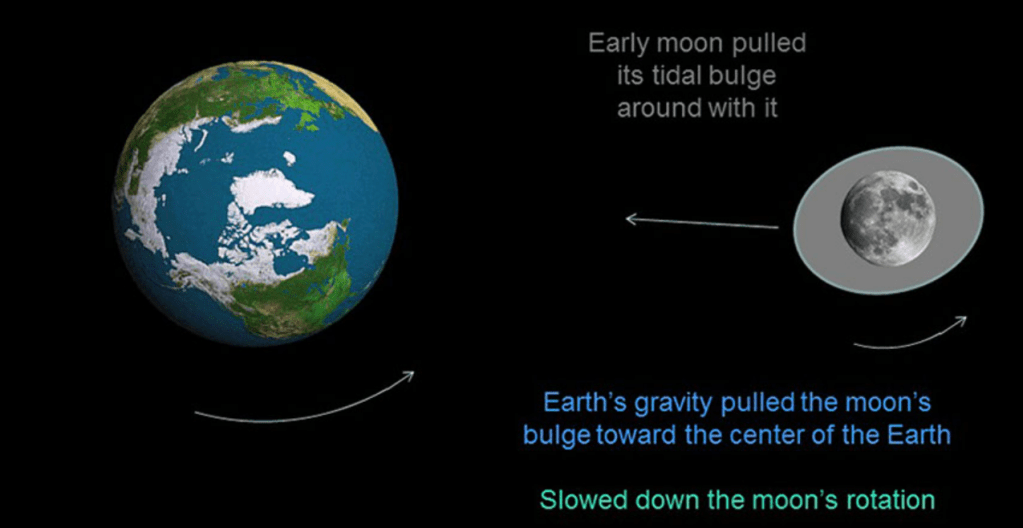
Tidal locking occurs due to the gravitational interactions between the two bodies. Throughout millions of years, these interactions cause energy exchange and heat dissipation processes, until equilibrium is achieved and the body’s rotation stabilizes. Thus, it becomes tidally locked.
Consider a pair of co-orbiting objects, A and B. The change in rotation rate required to lock body B to the larger body A tidally is caused by the torque applied by A’s gravity on tidal bulges induced on B. The gravitational force exerted due to body A spans the strongest at the nearest point and weakest at the furthest point on body B. As a result, a gravitational gradient is formed, and body B’s shape starts to distort, forming elongated tidal bulges.
These distortions also result in a change of shape for the larger body, A, to nearly spherical.
If B’s rotation period is shorter than its orbital period, the bulges lead to an A–B axis. The net torque acts to synchronize B’s rotation with its orbital period. Over time, this process leads to tidal locking.
Mutual tidal locking
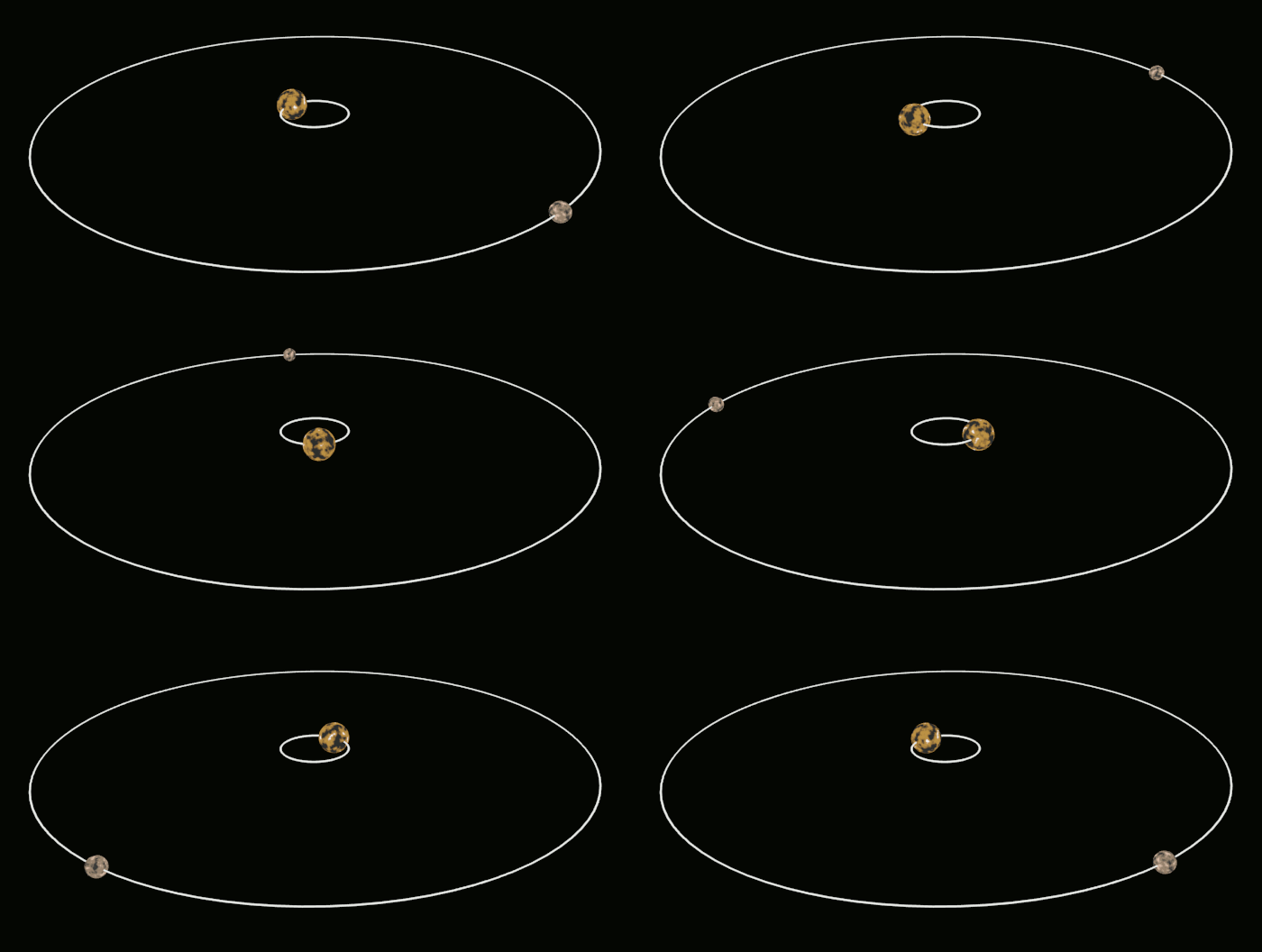
In most cases, the smaller body becomes locked to the larger one. However, mutual tidal locking is also possible if the mass difference and orbital distance are relatively on the smaller side. Examples include Pluto and Charon, as well as Eris and Dysnomia, where both bodies are locked to each other.
The Effects of Tidal Locking
On tidally locked exoplanets, the stark contrast between the day and night sides could lead to extreme temperature differences. However, the presence of atmospheric circulation and ocean currents may help redistribute heat, potentially making some of these worlds habitable.
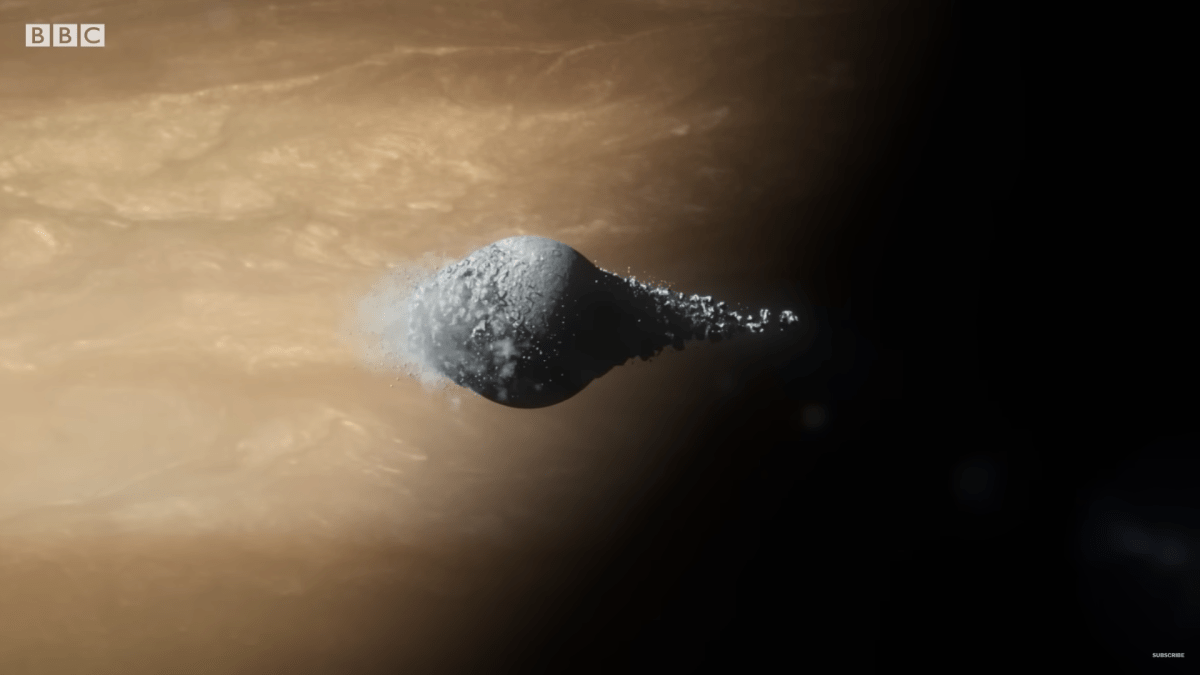
It can affect the geological features of a moon or planet. For example, the constant gravitational pull can cause tidal heating, as seen on Jupiter’s moon Io, which experiences intense volcanic activity due to this phenomena.
Tidal locking also simplifies observation of a celestial body’s surface. With one side always facing the observer, detailed mapping becomes more feasible.
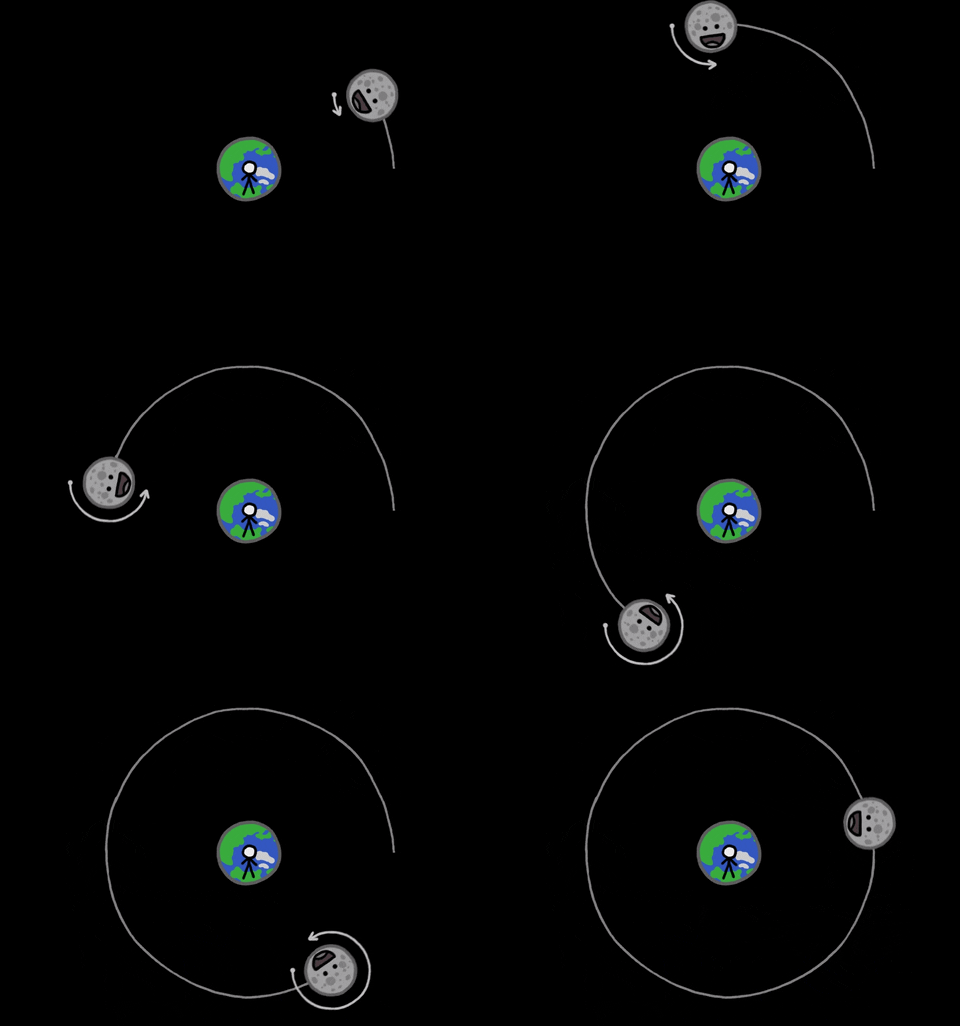
It is fascinating to see the effect of gravitational forces resulting in an eternal cosmic dance between two bodies. This phenomenon provides a window into the intricacy of the cosmos and also helps us appreciate the delicate balance that governs the motion of celestial bodies.
And how does it relate to Lunar Ranging? Now that the moon is tidally locked to earth, we always see the same side of it. Which keeps the reference point always the same to respective observatories! Now it is easier for us to shoot the target when it is NOT moving, at least NOT in our reference frame of motion. The only thing remaining is to shoot the laser at the moon, but how do we actually make sure the laser come exactly to the predicted receiving point? That is another marvel in itself. We will have a look over it in the next and final part of our Lunar Ranging Issue. Until then keep amazing yourself at NotRocketScience!









 Not Rocket Science!
Leave a comment