AI
Neural Networks, GPT and everything in between
-
In the previous article, we dived deep into the lives and inventions of many computer pioneers and the challanges the faced. In this article we are going to explore the…

-
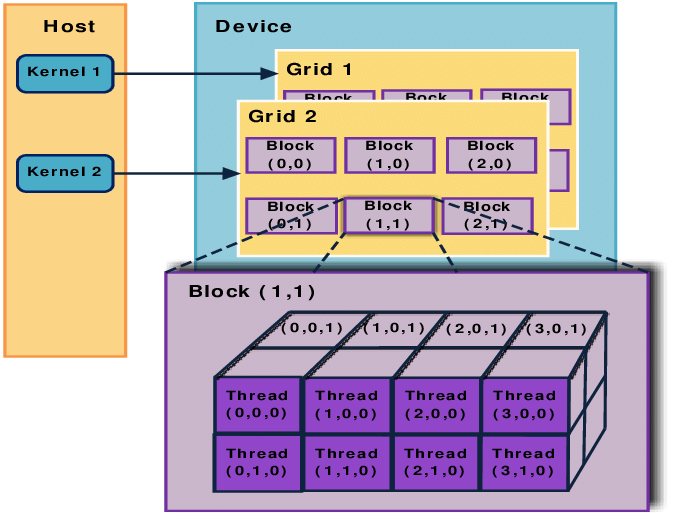
CUDA (Compute Unified Device Architecture) is a parallel computing platform and programming model developed by NVIDIA. It enables developers to harness the power of NVIDIA GPUs for general-purpose processing tasks,…
-
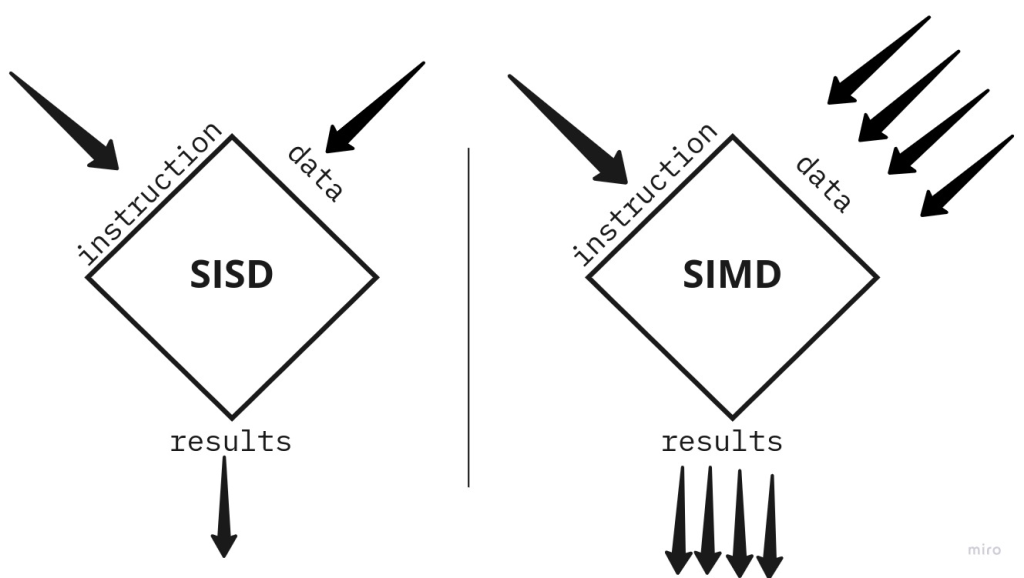
SIMD (Single Instruction, Multiple Data) is a parallel computing model that allows a single operation (instruction) to be applied to multiple data points simultaneously. The primary reasons for using SIMD…
-
A software-defined vehicle (SDV) prioritizes software over hardware in its operation, unlike traditional vehicles that are built around a mechanical framework. SDVs use software to enable vehicle functionality, which is…

-
Apollo 13 intended as the third lunar landing had just lost two fuel cells and was venting oxygen into space 200,000 miles from Earth, soon the second oxygen tank would…
-
AMD ROCm™ is an open software stack including drivers, development tools, and APIs that enable GPU programming from low-level kernel to end-user applications. ROCm is optimized for Generative AI and…
-
In this extremely dynamic landscape of machine learning, somebody tried to reinvent ML itself giving us KANs: Kolmogorov Arnold Network. This approach challenges the conventional way of using Multi-Layer Perceptron(MLPs). …
-
Discover how Arduino and TensorFlow Lite Micro bring powerful machine learning capabilities to the tiny Nano 33 BLE Sense, enabling innovative, sensor-driven applications without extra hardware. Dive into the future…

-
llama.cpp is a project that aims to provide a lightweight, efficient, and portable implementation of Meta’s LLaMA (Large Language Model Meta AI) models. This implementation is particularly designed to enable…

-
The use of specialized processors such as GPUs (Graphics Processing Units), NPUs (Neural Processing Units), or DSPs (Digital Signal Processors) for hardware acceleration can significantly enhance the performance of inference…


 Not Rocket Science!